How Automated Check Calls Are Changing Freight Dispatch
The Daily Reality of Check Calls
Every dispatcher knows the rhythm. You send a load out, wait a few hours, then start calling the driver. "Where are you? How is traffic? When do you expect to deliver?" You jot down the answer, maybe type it into a spreadsheet, and move to the next load. Repeat that four or five times a day for each of thirty trucks, and the math gets ugly fast. Check calls are one of those tasks that seem small in isolation but eat up hours when you add them up. They are also easy to get wrong. A missed call, a sleepy answer, a driver who forgets to update you, any of those can snowball into a late delivery or a lost customer.
For years the only solution was more people or more hours. Hire another dispatcher. Stay at the desk longer. Push drivers to call in more often. None of those fix the core problem: manual check calls are repetitive, time-consuming, and prone to human error. They drain energy that could go toward negotiating rates, finding backhauls, or keeping customers happy. The freight industry has known this for decades, but until recently the alternatives were either too expensive or too clunky to use in real operations.
What Automated Check Calls Actually Do
Automated check calls replace that manual loop with software that reaches out to drivers, collects their status, and logs the data without a dispatcher lifting a finger. The driver gets a text message or a push notification. They tap a button or speak a short reply. The system records the time, the location, the estimated arrival, and any notes. That information flows straight into whatever dispatch board or TMS the carrier uses. The dispatcher sees a live picture of every load without having to chase anyone down.
This is not a futuristic concept. Many carriers already use some form of automation for basic tracking. But the difference between a generic "check-in" tool and a well-designed automated check-call system is the depth of the interaction. A good system does not just ask "Are you on schedule?" It asks about specific milestones: loaded, departed, arrived at stop one, departed stop one, arrived at stop two. It prompts for detention time at a shipper. It flags a delay before the customer feels it. That kind of granularity makes a real difference in how a dispatch desk runs.
I have watched a medium-sized carrier cut their daily check-call time from about three hours per dispatcher to under thirty minutes. The dispatchers did not lose their jobs. They shifted their attention to higher-value work, calling on customers, planning better routes, handling exceptions that actually need human judgment. The drivers liked it too because they could respond on their own schedule instead of being interrupted while backing into a dock.
Where Automation Helps Most
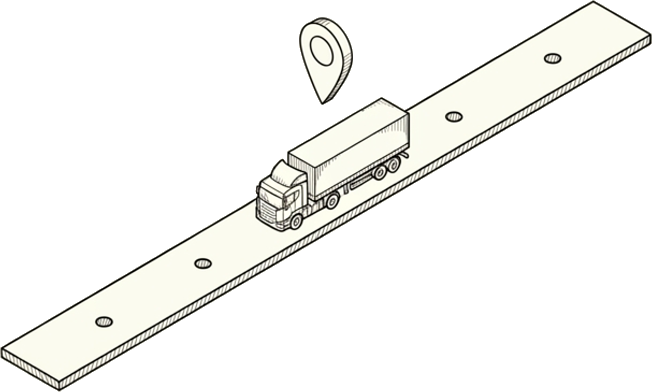
Not every lane or every load benefits equally from automated check calls. The best fit tends to be high-volume, predictable freight where the process is standardised. Dedicated contract runs, regional distribution, and drop-and-hook operations are natural candidates. The driver already knows the routine; the automation just removes the middleman. On the other hand, highly irregular loads, oversized permits, multi-stop LTL with weird windows, hotshot freight where every hour matters, still benefit from direct conversation. A dispatcher can read a driver's tone and ask follow-up questions that a text bot cannot.
The smartest carriers I have seen treat automation as a layer, not a replacement. They let the system handle the routine updates and escalate only when something breaks the pattern. If a driver stops responding, or their ETA slips beyond a threshold, the dispatcher gets an alert. That way the human focuses on exceptions, not on the ninety percent of loads that are running fine. It sounds obvious, but many operations try to automate everything or nothing. The middle ground is where the real efficiency lives.
A Practical Example
Take a carrier running twenty trucks out of a regional hub, each making two or three stops per day. Before automation, a dispatcher might spend the first two hours of every shift calling drivers and updating a whiteboard. By the time that is done, the morning rush of customer calls is already piling up. With automated check calls, the dispatcher walks in to a board that is already current. The only calls they make are to the three drivers who did not respond, or to the one whose ETA slipped by an hour. That dispatcher can spend the saved time calling a broker about a backhaul or following up on a past-due invoice. Over a month, that extra capacity translates into better service and more revenue.
I have also seen carriers try to build their own automation with spreadsheets and SMS gateways. It works for a while, but it breaks when a driver changes phones, or when the spreadsheet gets corrupted, or when someone forgets to run the macro. A purpose-built system handles those edge cases. It also integrates with the TMS so the data does not have to be entered twice. That is where LuneTMS automated check calls come into the picture. The system is designed specifically for freight dispatch, so it understands the workflow, detention, appointment windows, pallet counts, bill-of-lading numbers. It does not just log a status; it updates the dispatch board, triggers alerts, and keeps a clean audit trail for customers who want proof of delivery milestones.
I have talked to dispatchers who were sceptical at first. They worried that drivers would ignore the automated messages or that the system would miss something a human would catch. In practice, the opposite happens. Drivers respond faster to a text than to a phone call because they can reply when it is safe. Dispatchers catch more issues earlier because the system flags a missed response within minutes, not hours. The human touch is still there for the tough conversations, negotiating a reconsignment, calming an angry receiver, rerouting around a storm. Automation handles the routine, and the routine is where most of the time was going.
What to Look for in a System
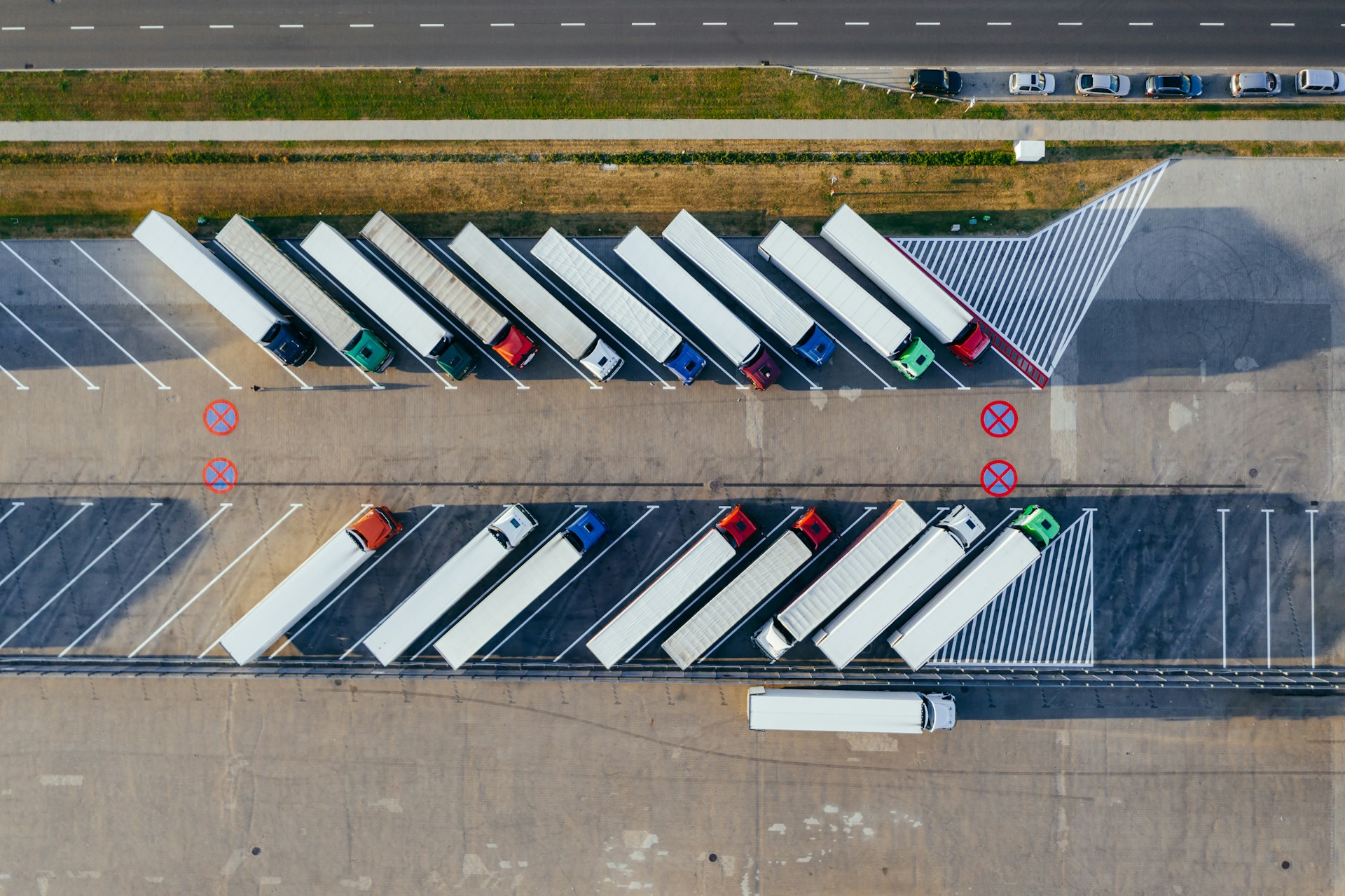
If you are considering automated check calls for your operation, a few features matter more than others. First, the system should let you customise the questions per customer or per lane. A grocery chain wants a different update than a steel mill. Second, it should support multiple response methods, text, phone keypad, voice reply, because drivers have different preferences and working conditions. Third, it needs to integrate with your existing TMS or dispatch board without manual data entry. If you have to copy and paste from one screen to another, you have not saved much time. Fourth, look for exception handling. What happens when a driver does not respond? Does the system escalate automatically? Can a dispatcher see the history of every check call for a given load? Those details separate a tool that feels like help from one that feels like another chore.
One more thing: the system should be easy for drivers to use on the road. A complicated app that requires login and navigation will get ignored. A simple text message with a few numbered options works every time. Drivers are not sitting at a desk. They are driving, unloading, or waiting at a gate. The interaction needs to take ten seconds or less.
The Operational Shift
Adopting automated check calls is not just about swapping a phone for a text message. It changes how a dispatch desk thinks about its day. When the routine updates happen automatically, the dispatcher's role shifts from data collector to decision-maker. That can feel uncomfortable at first. Dispatchers are used to being the hub of information. Letting a system handle that part can create a sense of losing control. But the carriers that push through that discomfort find that their dispatchers are happier and more effective. They are not stuck in a reactive loop. They are planning ahead.
I have seen this play out in a carrier that moved from five dispatchers to three after implementing automation, not through layoffs, but through attrition. They simply stopped hiring for the role as people retired or moved on. The remaining dispatchers handled the same volume with less stress. The turnover rate in that dispatch room dropped sharply. That is the kind of outcome that does not show up in a feature list, but it matters more than any single metric.
Automated check calls are not a silver bullet. They will not fix bad routing, poor customer relationships, or a broken maintenance schedule. But they solve a specific, expensive problem that every carrier deals with. If your dispatchers are spending more than an hour a day on check calls, you are leaving capacity on the table. The question is whether you want to keep filling that gap with more hours or find a better way.
LuneTMS automated check calls offer one version of that better way. The system is built around the realities of dispatch, not around generic survey logic. It respects the driver's time and the dispatcher's expertise. When it works well, it fades into the background, exactly what good automation should do. The best compliment I ever heard from a dispatcher using the system was, "I forget it's even there until something goes wrong." That is the goal. Make the routine invisible so the exceptions get the attention they deserve.
 LinkedIn
 Facebook
 Instagram
 YouTube
Ends · LUNETMSAUTOMATEDCHECKCALLSMAG